Understanding the Longevity of Brick Veneer
Brick veneer is one of the most durable and long-lasting options available for homeowners looking for an attractive and low-maintenance exterior or interior cladding. It is widely chosen for its ability to enhance the aesthetic appeal of a home while also providing a protective layer to the structure. However, like any building material, its longevity depends on several factors. Understanding these factors can help homeowners make informed decisions about installation, maintenance, and long-term care.
Brick veneer is a thin layer of bricks affixed to the outer surface of a building, serving as a decorative and protective facade. Unlike solid brick walls, which bear the weight of the structure, brick veneer is non-load-bearing and is primarily used for insulation and aesthetic purposes. Its durability is highly dependent on the quality of installation, environmental conditions, and maintenance practices.
The quality of installation plays a crucial role in determining the lifespan of brick veneer. If installed correctly using proper techniques and high-quality materials, it can withstand environmental stressors such as temperature fluctuations and moisture exposure. Poor installation, however, can lead to structural weaknesses that result in premature deterioration. Ensuring that a skilled professional handles the installation is essential for maximizing its longevity.
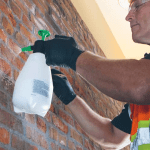
While brick veneer requires minimal upkeep, regular maintenance is still necessary to extend its lifespan. Routine cleaning helps remove dirt, debris, and mold, preventing damage to the surface. Periodic inspections for cracks, loose bricks, or gaps in the mortar can help identify potential issues early. If left unaddressed, these problems can lead to moisture intrusion, which accelerates deterioration. Applying a brick sealer can provide an additional layer of protection against water absorption and weather-related wear.
Environmental factors also influence how long brick veneer lasts. Although highly resistant to weathering, exposure to extreme climates can accelerate wear and tear. Frequent freeze-thaw cycles, excessive moisture, and high humidity levels can cause the material to weaken over time. In areas prone to hurricanes or earthquakes, additional precautions should be taken during installation to account for potential structural movement.
Structural settling and movement are natural occurrences in any building over time. While brick veneer is designed to accommodate minor shifts, excessive or uneven movement can lead to cracking or detachment. Regular monitoring can help identify early warning signs, allowing for timely repairs to prevent further damage.
When properly installed and maintained, brick veneer can last between 50 to 100 years. Some well-maintained brick veneer structures have even surpassed this estimate, remaining intact for generations. However, neglecting regular maintenance or failing to address structural concerns can shorten its lifespan.
Brick veneer remains a highly durable and visually appealing option for homeowners. With proper installation and routine maintenance, it can provide reliable protection and timeless beauty for decades. By staying proactive with inspections and repairs, homeowners can ensure their brick veneer continues to enhance their home for years to come.