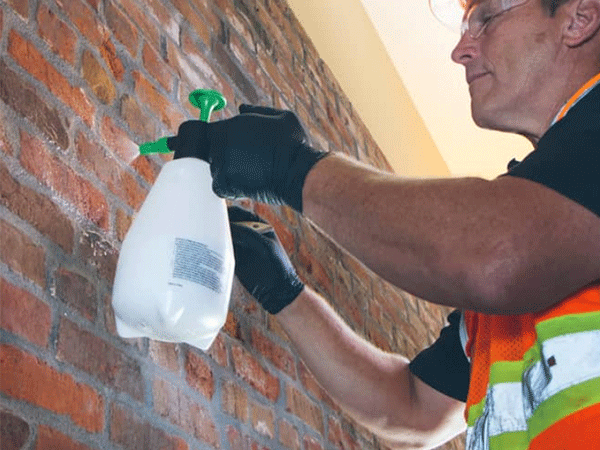
How to Clean Masonry: Steps, Methods, and Safety
The Importance of Knowing How to Clean MasonryMasonry is durable and long-lasting, but dirt, mortar residue, efflorescence, and stains can affect its appearance over time. Proper masonry cleaning helps maintain the appearance and condition of brick, natural stone, concrete masonry, and manufactured stone veneer. The correct cleaning method depends on the masonry material and the type of stain. Using the wrong chemical, brush, or water pressure can damage the surface. Always follow the masonry and cleaning-product manufacturer’s instructions before beginning.
|
Key Takeaways
|
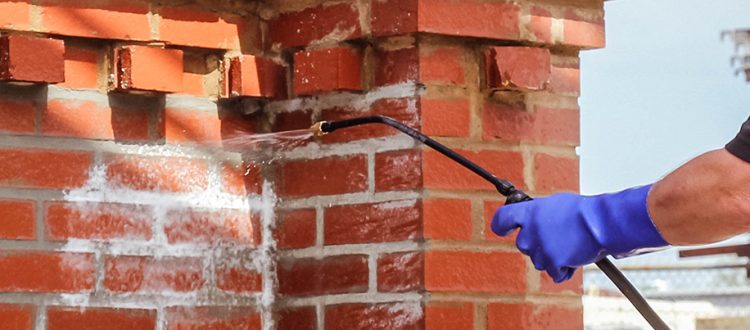
Why Is Masonry Cleaning Important?
Regular maintenance can help keep masonry looking clean and well maintained while reducing the buildup of contaminants and stains. Proper cleaning is particularly important after construction, when mortar residue and other construction materials may remain on the surface.
Prevention is the first step. Store masonry materials off the ground and protected from weather, cover work in progress, and minimize mortar drops and smears during installation. Good construction practices can significantly reduce the need for aggressive cleaning later.
Step 1: Identify the Masonry Material
Before cleaning, determine what type of masonry you are working with. Cleaning methods can vary significantly between:
- Manufactured stone veneer
- Clay brick
- Architectural concrete masonry
- Natural stone
Check the manufacturer’s cleaning recommendations before selecting a product or method.
Step 2: Identify the Stain or Residue
Different contaminants require different approaches. Common masonry stains include:
- Mortar and grout residue
- Dirt and soil
- Efflorescence
- Organic growth
- Paint and graffiti
- General surface staining
Correctly identifying the problem helps prevent unnecessary or overly aggressive cleaning.
Step 3: Test a Small Area
Always test the selected cleaning method on an inconspicuous area first. Confirm that the cleaner does not cause discoloration, surface damage, or an unwanted change in appearance before treating the entire wall.
The goal should be to use the gentlest effective cleaning method.
Step 4: Clean Manufactured Stone Veneer Carefully
Manufactured stone veneer requires a more controlled approach than some traditional masonry materials. Avoid harsh chemicals, stiff brushes, and high-pressure washing unless specifically approved by the manufacturer.
For routine cleaning:
- Remove loose dirt with a soft nylon brush.
- Wet the surface with a low-pressure garden hose.
- Apply an approved cleaning solution.
- Gently brush the surface.
- Rinse thoroughly with clean water.
Never scrub aggressively or use high water pressure unless the product manufacturer specifically permits it.
Removing Mortar From Stone Veneer
If mortar lands on the face of manufactured stone during installation, allow it to become firm before carefully removing the excess with a clean tool. Avoid wiping fresh mortar with a wet sponge or cloth, which can spread the material and create a more difficult stain.
Step 5: Remove Efflorescence
Efflorescence is a white, powdery deposit caused by soluble salts moving to the masonry surface as moisture evaporates. It is particularly common on newer masonry during the drying process.
Loose efflorescence can often be removed by dry-brushing with a soft brush. If efflorescence continues to appear, investigate the source of moisture. Controlling moisture infiltration can help reduce recurring deposits.
For persistent efflorescence, use only a cleaning product and method approved for the specific masonry material.
Step 6: Clean Brick, Concrete Masonry, and Natural Stone
Clay brick, architectural concrete masonry, and natural stone can tolerate different cleaning methods depending on the material, finish, age, and condition.
Professional masonry cleaners may use specialized cleaning products and equipment for mortar residue, dirt, and other stains. Follow the cleaner and masonry manufacturer’s instructions carefully, particularly when chemicals are involved.
Avoid assuming that a stronger chemical or higher pressure will produce a better result. Excessive pressure or improper chemicals can damage even durable masonry.
Step 7: Rinse and Inspect
After cleaning, rinse the masonry according to the product manufacturer’s instructions and inspect the surface once it has dried. Look for remaining stains, discoloration, surface damage, or recurring efflorescence.
If the desired result has not been achieved, reassess the stain and cleaning method rather than immediately increasing chemical strength or water pressure.
Masonry Cleaning Safety
Masonry cleaning products can contain commercial-grade chemicals that may be hazardous to people and surrounding materials. Follow product labels, safety instructions, ventilation requirements, and recommended protective equipment.
Professional cleaning is recommended for challenging projects, including:
- Paint or graffiti removal
- Historic masonry
- Large-scale chemical cleaning
- Abrasive cleaning
- Severe staining
- Masonry that may be damaged or deteriorated
High-pressure equipment should also be used with care. Excessive pressure can damage mortar joints and masonry surfaces.
Preventing the Need for Aggressive Masonry Cleaning
The most effective masonry maintenance begins during construction. Keep materials protected and off the ground, cover unfinished work, and maintain clean installation practices. Removing mortar drops before they harden and preventing unnecessary contamination can significantly reduce the need for intensive cleaning.
Final Takeaway
Knowing how to clean masonry starts with identifying the material, understanding the stain, and choosing the least aggressive method that will achieve the desired result. Manufactured stone veneer, brick, concrete masonry, and natural stone each have different cleaning requirements.
When in doubt, consult the material manufacturer and a qualified masonry cleaning professional. Proper cleaning and preventative maintenance can help preserve the appearance and performance of masonry for years to come.
Click Here for the Source of the Information.
Ready for a Consultation?