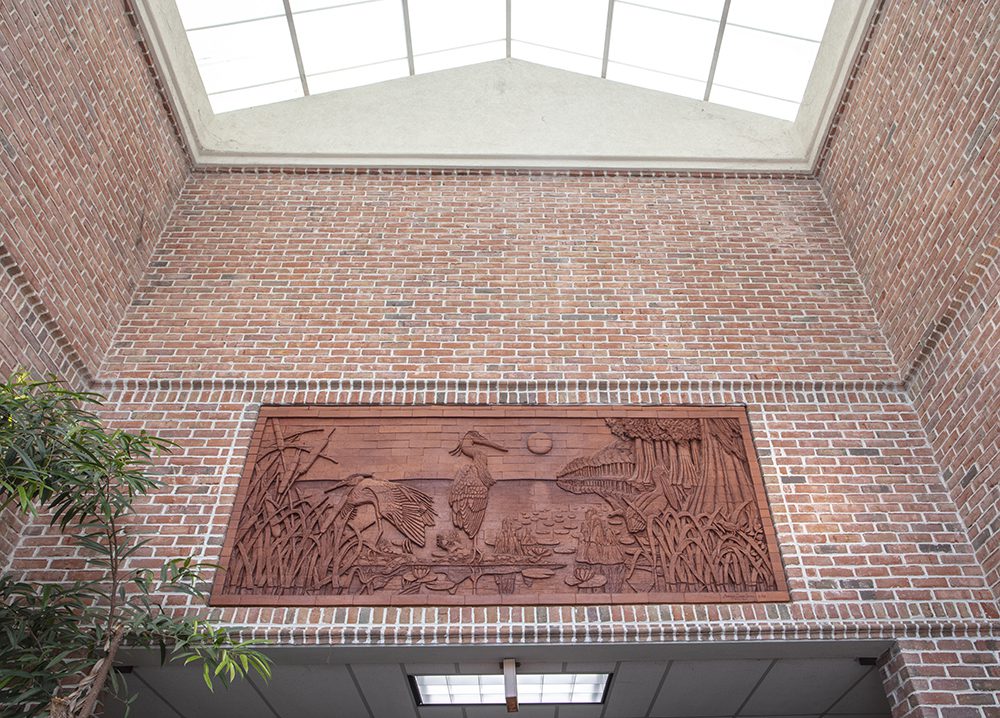
Brick in Architecture
Why Architects Continue to Choose Brick in Modern ArchitectureFor centuries, brick has remained one of the most trusted and admired building materials in architecture. From historic landmarks and universities to modern homes and commercial buildings, brick continues to play a major role in architectural design because of its durability, versatility, energy efficiency, and timeless visual appeal. Today’s architects continue to specify brick for projects that require long-term performance, sustainable construction materials, and distinctive aesthetics. Whether designing contemporary facades or preserving traditional architectural styles, brick offers a balance of beauty and functionality that few materials can match. |
Key Takeaways
|
The Enduring Role of Brick in Architecture
Brick has shaped architectural design for generations because it delivers structural integrity and timeless character. Unlike many exterior materials that require frequent replacement or maintenance, brick buildings are known for their longevity and resistance to weather, fire, and wear.
Architects value brick because it allows buildings to maintain their appearance and performance over decades while contributing to a sense of permanence and craftsmanship.
Modern architectural brick is now available in a wide variety of colors, textures, shapes, and finishes, giving designers greater creative freedom than ever before.
Why Brick Remains a Preferred Building Material
Timeless Architectural Aesthetic
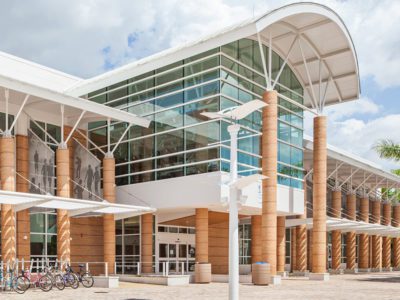
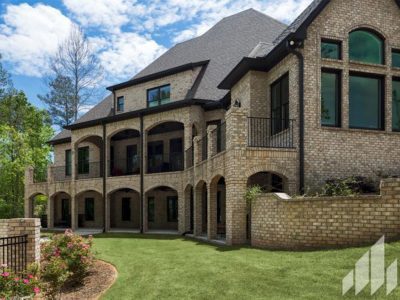
One of the primary reasons architects continue to use brick is its timeless appearance. Brick complements both traditional and contemporary architecture, making it one of the most versatile facade materials available.
From clean modern lines to historic masonry styles, brick can create visual warmth, texture, and depth that enhance both residential and commercial projects.
Architectural brick is available in a broad range of styles, including:
* Smooth face brick
* Textured brick
* Tumbled brick
* Thin brick veneer
* Oversized architectural brick
* Dark and monochromatic brick finishes
This variety allows architects to create unique exterior designs while maintaining the authenticity and durability associated with genuine clay brick.
Durability and Long-Term Performance
Brick is widely recognized as one of the most durable construction materials used in architecture today. Properly installed brick structures can last for generations with minimal maintenance.
Because brick is resistant to fire, moisture, pests, and harsh weather conditions, it provides long-term protection for both residential and commercial buildings.
Unlike synthetic siding materials, brick does not rot, warp, or fade significantly over time. This durability makes brick a cost-effective investment for property owners seeking long-lasting exterior materials.
Sustainable and Energy-Efficient Design
Sustainability continues to influence modern architecture, and brick remains an environmentally responsible building material.
Clay brick is manufactured from abundant natural materials and offers excellent longevity, reducing the need for replacement over time. Many brick products can also contribute to sustainable building certifications and energy-efficient building design strategies.
Brick’s thermal mass properties help regulate indoor temperatures by absorbing and slowly releasing heat, which can improve energy efficiency and indoor comfort.
Architects often specify brick in projects focused on sustainability, resilience, and long-term building performance.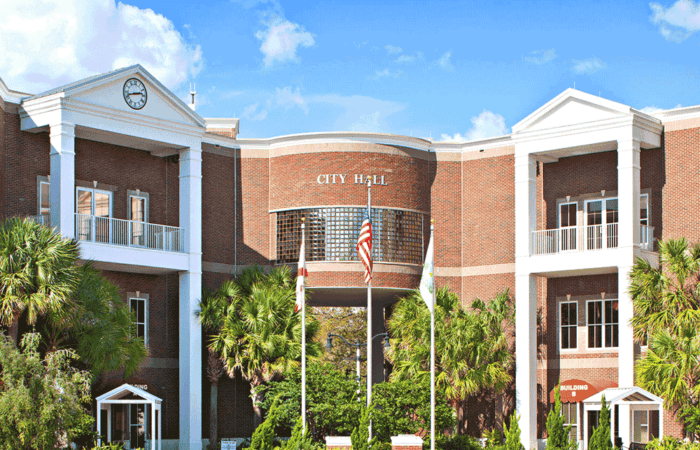
Design Flexibility for Modern Architecture
Contemporary architects appreciate the flexibility brick provides in both form and function. Brick can be incorporated into a variety of architectural applications, including:
* Exterior facades
* Accent walls
* Entry features
* Interior feature walls
* Commercial storefronts
* Educational buildings
* Multifamily housing
* Hospitality projects
With advancements in manufacturing and installation systems, brick can now support highly modern architectural concepts while preserving the material’s classic appeal.
Thin brick systems, rainscreen assemblies, and custom brick shapes have expanded the possibilities for creative building design.
Brick Supports Lasting Property Value
In addition to its visual and structural advantages, brick can positively impact long-term property value. Buildings constructed with brick are often associated with quality craftsmanship, durability, and premium construction standards.
Homeowners, developers, and commercial property owners frequently choose brick because of its low maintenance requirements and enduring curb appeal.
For architects designing projects intended to stand the test of time, brick remains one of the most reliable and respected materials available.
The Future of Brick in Architecture
As architectural trends continue to evolve, brick remains highly relevant in modern building design. Its ability to combine sustainability, performance, and timeless aesthetics ensures that it will continue to be a preferred material for architects across residential, commercial, and institutional projects.
Whether used in contemporary urban developments or traditional architectural designs, brick continues to deliver unmatched versatility and lasting value in the built environment.
For architects seeking a durable, sustainable, and visually distinctive building material, brick remains one of the strongest choices in modern architecture.
Click Here for the Source of the Information.
Ready for a Consultation?