The Ultimate Guide to Balustrades
How to Choose the Right Balustrade Materials for Your Project: A Guide to BalustradesBalustrades are more than just safety features — they’re architectural statements that enhance the beauty and functionality of your home or outdoor space. Whether you’re updating a staircase, balcony, terrace, or garden landscape, this complete guide to balustrades will help you understand what balustrades are, where they’re used, how to choose the right balustrade materials, and what regulations you need to know before installation.
|
What You Will Learn from Reading This Article:
|
What Are Balustrades?
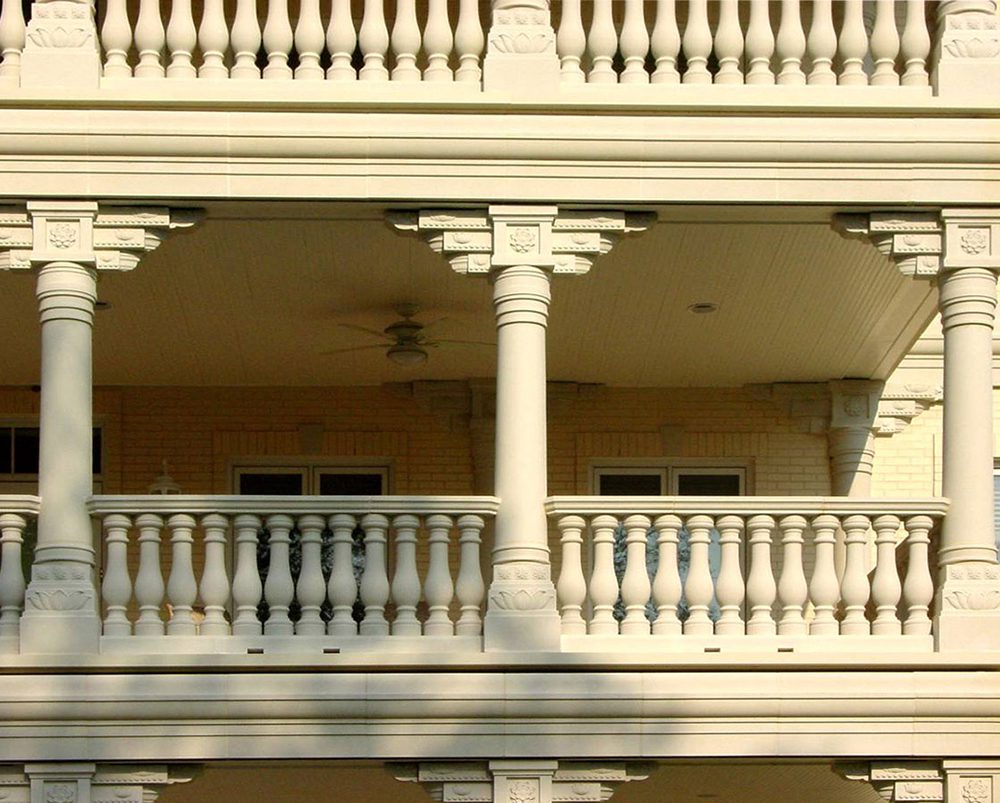
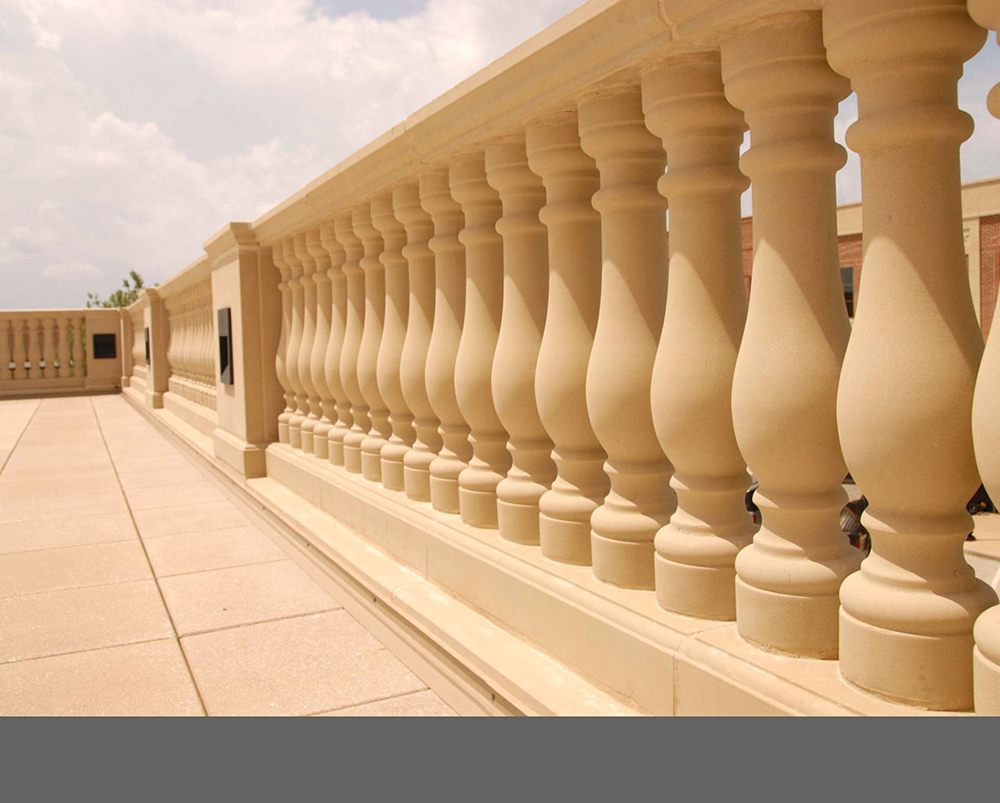
A balustrade is a row of vertical posts called balusters that support a top rail, forming a protective boundary on staircases, balconies, terraces, and more. Historically rooted in classical architecture, balustrades combine functional safety with decorative appeal, making them a popular design feature for both traditional and contemporary homes.
Common Uses for Balustrades
Balustrades are incredibly versatile. You’ll see them in many areas of both interior and exterior design, including:
Staircases: Provide safety and visual continuity in hallways and open-plan spaces.
Balconies: Act as protective barriers while enhancing outdoor views.
Terraces & Patios: Define outdoor living areas with style and structure.
Entrances & Garden Features: Create grand entrances or frame garden walls and pathways.
Balustrade Materials: How to Choose What’s Right for You
Choosing the right balustrade material impacts style, durability, maintenance, and cost. Here’s a breakdown of popular options:
Cast Stone Balustrades
Cast stone offers the classic beauty of natural stone with greater flexibility and affordability. It’s durable, weather resistant, and perfect for both traditional and modern architectural styles.
Best for: Elegant exteriors, heritage properties, garden features, and formal access points.
Pros:
Durable and weather‑resistant
Customizable designs
Lower cost than natural stone
Wooden Balustrades
Classic and natural, wood balustrades bring warmth to interiors and rustic exteriors.
Best for: Traditional homes and interior staircases.
Cons:
Requires regular maintenance to prevent rot and warping
Can need repainting or sealing over time
Metal Balustrades
Metal options — including wrought iron, stainless steel, and aluminum — deliver strong, modern aesthetics with long‑lasting performance.
Best for: Contemporary spaces, outdoor balconies, and industrial‑style designs.
Pros:
High strength and durability
Low maintenance
Works well with glass and cable infills
Glass Balustrades
Enter minimalist luxury with glass balustrades — ideal for open views and sleek design.
Best for: Balconies, decks, and terraces with panoramic views.
Pros:
Maximizes sight lines and natural light
Easy to clean (with appropriate coatings)
Stylish and modern
Cons:
Typically higher cost
Requires professional installation
Natural Stone
Natural stone offers timeless beauty and unmatched durability, but it’s heavier and costlier than alternatives.
Best for: Heritage restorations, premium builds, and lasting architectural features.
Guide to Balustrade Design Tips for Your Home
- Match the material to your architectural style: Wooden balustrades suit traditional spaces, while glass and metal fit contemporary design.
- Think about maintenance: Consider how much time you want to spend on upkeep. Metals and glass are usually lower‑maintenance than wood.
- Plan for installation: Professional installation often ensures that your balustrade is safe, and secure.
Guide to Balustrades: Safety Meets Style
Whether enhancing a staircase, framing a balcony, or defining an outdoor terrace, balustrades are essential for creating visually appealing, safe spaces in your home. By understanding the different balustrade materials and how to choose the best one for your project, you can elevate both design and function with confidence.
Click Here for the Source of the Information.
Ready for a Consultation?