
Brick Flooring for Entryways & Mudrooms
Durable, Timeless Design for High-Traffic Spaces – Brick Flooring for Entryways
Entryways and mudrooms experience some of the highest foot traffic in a home. Dirt, water, snow, and daily wear constantly test the durability of flooring materials. That’s why brick flooring for entryways has become a popular choice for homeowners looking for a surface that is both stylish and built to last. With natural texture, timeless appeal, and exceptional durability, brick floors are ideal for entryways and mudrooms. They hide everyday wear, provide strong traction, and bring character to spaces that often function as the transition between outdoors and indoors. |
Key Takeaways
|
Below are some of the best brick flooring ideas and design strategies to create an attractive, practical entryway or mudroom.
Why Brick Flooring Works Well in Entryways and Mudrooms
Before exploring design ideas, it’s important to understand why brick is such a strong flooring material for these areas of the home.
Durability for High-Traffic Areas
Brick is extremely resilient and can withstand heavy daily use from shoes, pets, and outdoor debris. Unlike smooth flooring surfaces that quickly show scratches or scuffs, brick’s natural texture helps disguise minor wear and marks.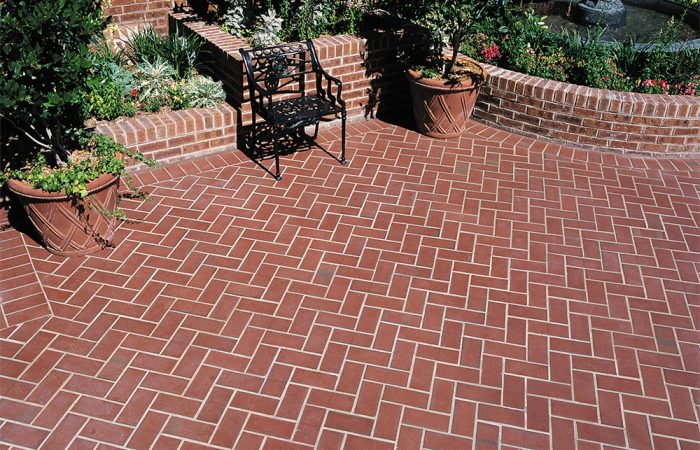
Natural Slip Resistance
Because brick has a textured surface and grout joints, it typically offers better traction than many smooth flooring materials, making it well-suited for spaces that frequently get wet.
Timeless Aesthetic Appeal
Brick flooring creates a rustic, traditional appearance that complements many design styles, including farmhouse, traditional, industrial, and transitional homes. The natural variation in brick color adds warmth and visual depth to entryways.
Low Maintenance
When properly sealed, brick floors are easy to maintain. Dirt and debris are less noticeable due to the natural color variation, and routine cleaning keeps the surface looking great for years.
Best Brick Flooring Ideas for Entryways and Mudrooms
1. Natural Brick Floors with Warm Color Variation
Brick floors with mixed clay tones create a welcoming entryway that feels both natural and durable. The variation in color helps hide everyday dirt and scuff marks while adding visual texture.
This approach works especially well in homes where the entryway connects directly to living areas, allowing the flooring to create a warm first impression.
Design tips:
- Use mid-tone grout for easier maintenance
- Test brick color in natural and artificial lighting
- Seal the surface after installation to protect against moisture
Natural variation in brick tones helps floors look consistent even as lighting changes throughout the day.
2. Herringbone Brick Flooring for a Classic Pattern
A herringbone brick pattern adds visual interest and sophistication to an entryway or mudroom. The angled layout creates a structured design that immediately elevates the space.
This layout works particularly well in homes with traditional or European-inspired interiors.
Benefits of herringbone brick flooring:
- Creates a high-end architectural look
- Makes narrow entryways feel wider
- Adds texture without additional décor
Because the pattern involves more cuts, careful layout planning is essential before installation.
3. Basket Weave Brick Flooring for Mudrooms
Mudrooms often benefit from flooring patterns that break up visual repetition. Basket weave brick layouts add character while maintaining the durability required in utility spaces.
This pattern works especially well in square or compact mudrooms where a traditional running pattern might feel too linear.
Why basket weave works well:
- Creates subtle visual movement
- Helps disguise wear patterns from daily traffic
- Adds classic craftsmanship to the space
4. Whitewashed Brick Floors for Bright Entryways
Homeowners who want the texture of brick but a lighter look can use a whitewashed finish. Whitewashing softens the natural red tones while preserving the texture that gives brick its character.
This design works well in homes with:
- coastal interiors
- Scandinavian-inspired spaces
- modern farmhouse design
A light brick floor can help brighten entryways that receive limited natural light while maintaining a rustic aesthetic.
5. Spanish Bond Brick Pattern for Structured Design
The Spanish bond pattern uses repeating brick blocks to create a structured geometric layout. This pattern adds visual organization to mudrooms that already contain many functional elements like lockers, hooks, and shelves.
Advantages include:
- Strong architectural appearance
- Clear visual structure in busy spaces
- Durable layout that withstands heavy use
6. Running Bond Brick Flooring for a Simple, Clean Look
Running bond is one of the most common brick patterns used in floors. The staggered layout creates a clean and balanced look that works in almost any home style.
This is also one of the easiest brick flooring patterns to install, making it a practical choice for renovations or remodels.
Best uses for running bond:
- Narrow entryways
- Transitional design styles
- Spaces connecting to other rooms
7. Dark Brick Flooring for Busy Mudrooms
Mudrooms frequently collect dirt, water, and outdoor debris. Darker brick tones can help disguise stains and daily wear between cleanings.
Pairing darker brick with tighter grout lines creates a calmer, less visually busy floor surface while maintaining durability.
8. Diagonal Brick Flooring to Expand Small Entryways
Laying brick at a diagonal angle can visually expand smaller entryways. The angled pattern guides the eye outward, helping compact spaces feel larger and more dynamic.
Although this layout requires additional planning and cutting, the result is often a unique and striking entry floor.
9. Simple Brick Flooring with Subtle Variation
Sometimes the best design choice is the simplest one. A straightforward brick layout with gentle color variation keeps the space calm and functional.
This approach works particularly well when:
- the mudroom includes built-in cabinetry
- storage systems dominate the space
- a minimal design aesthetic is preferred
The brick itself provides enough texture and character without needing complex patterns.
Installation and Maintenance Tips for Brick Floors
To get the best performance from brick flooring, proper installation and maintenance are important.
Use Thin Brick for Interior Floors
Thin brick tiles provide the appearance of full brick while being lighter and easier to install on existing floors or concrete slabs.
Choose the Right Grout
Sanded grout is typically used with brick floors because the joints are wider than standard tile installations. Matching grout color closely with the brick tone helps maintain a cohesive look.
Seal the Brick Surface
Sealing protects the brick from moisture and stains. Entryways and mudrooms should typically be resealed every one to three years depending on traffic levels.
Consider Radiant Floor Heating
Brick floors can feel cooler than other materials, but radiant heating systems can easily solve this while maintaining the classic brick appearance.
The Lasting Appeal of Brick Flooring
Brick flooring offers a unique combination of beauty, durability, and practicality. In entryways and mudrooms—spaces designed to handle everyday traffic—brick provides the resilience needed to withstand constant use while maintaining its timeless charm.
Whether installed in a classic running bond pattern, an elegant herringbone design, or a simple rustic layout, brick floors create a welcoming transition from outdoors to indoors.
For homeowners seeking a long-lasting flooring option with character and performance, brick flooring remains one of the most reliable and visually appealing choices available.
Click Here for the Source of the Information.
Ready for a Consultation?