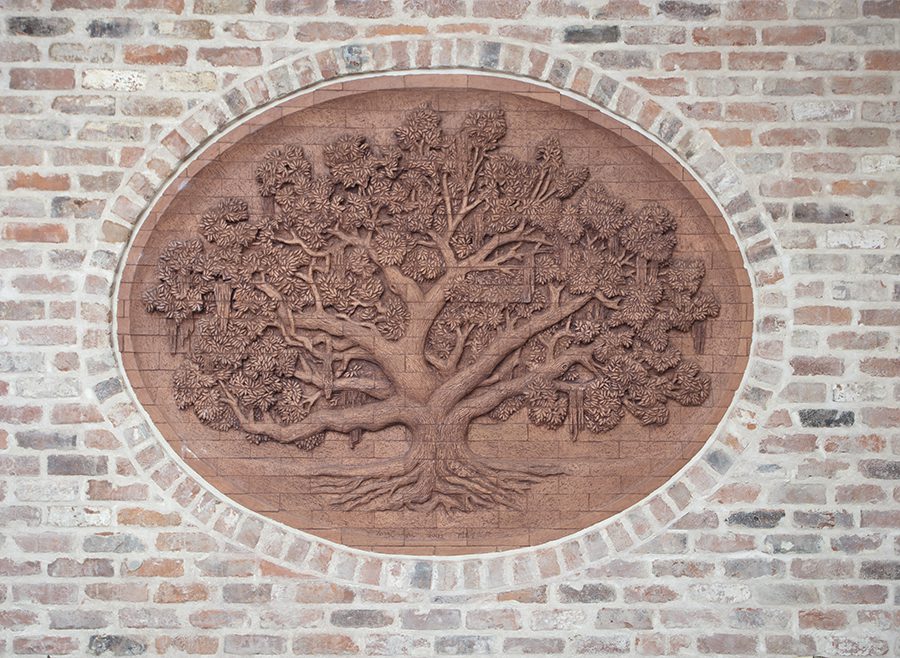
Brick Interior Design
How to Use Brick Interior Design to Create Stunning Design Focal PointsBrick is not just for exteriors or historic buildings—it has become a popular material for creating striking interior design features. From accent walls to fireplaces, exposed brick can add warmth, texture, and timeless style to any room. Architects and interior designers increasingly incorporate brick into modern interiors to create visually engaging and durable focal points. Whether renovating a contemporary home, designing a commercial space, or adding character to a loft, brick offers a unique combination of natural beauty, versatility, and long-lasting appeal. |
Key Takeaways
|
Why Choose Brick in Interior Design
Brick adds depth and texture to interior spaces that are difficult to achieve with paint, wallpaper, or other wall coverings. Its natural color variations, irregular surface, and tactile quality create a sense of warmth and authenticity.
Benefits of Using Brick Indoors:
- Timeless aesthetic: Brick complements both modern and traditional interiors.
- Durability: Brick is strong and low-maintenance, able to withstand daily wear and tear.
- Acoustic properties: Brick can help reduce sound transmission in busy areas.
- Energy efficiency: Thermal mass properties allow brick walls to retain and release heat.
- Design versatility: Bricks can be left exposed, painted, or arranged in unique patterns.
Popular Interior Applications for Brick
1. Accent Walls
One of the simplest ways to use brick indoors is to create an accent wall. A brick accent wall can highlight a specific area, such as a living room, bedroom, or dining space, drawing attention while adding character and warmth.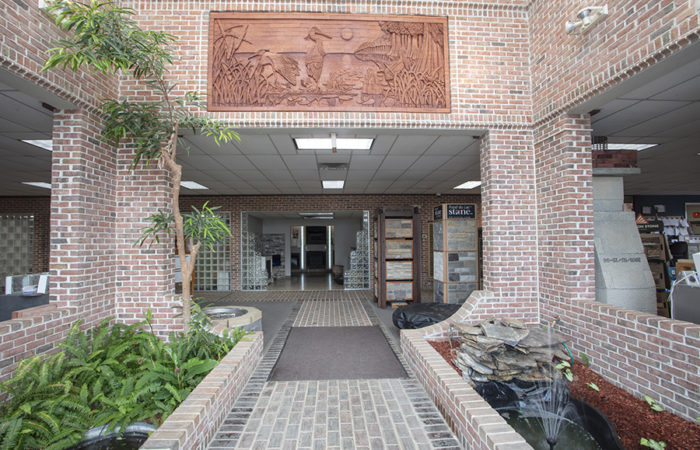
2. Fireplaces and Chimneys
Brick is a classic choice for fireplaces, offering a combination of beauty and heat resistance. Exposed brick around a fireplace can serve as a central focal point in a living room or family area.
3. Kitchen Backsplashes
Brick backsplashes provide a rustic, textured look while remaining easy to clean and durable. Thin brick veneers are particularly effective for creating stylish kitchen walls without taking up too much space.
4. Interior Feature Walls
In commercial or residential settings, brick feature walls can define spaces, create visual interest, or add a rustic-industrial charm to interiors like loft apartments, cafes, or office spaces.
5. Entryways and Hallways
Brick in hallways or entryways can make a strong design statement. Its durability withstands high foot traffic, while the texture and color create a welcoming impression for guests.
Tips for Designing with Interior Brick
- Select the Right Brick Style: Consider smooth, tumbled, painted, or reclaimed bricks depending on the design aesthetic.
- Combine with Complementary Materials: Pair brick with wood, metal, or glass for contrast and visual interest.
- Lighting Matters: Use directional lighting to highlight the texture and depth of brick walls.
- Mix Patterns and Layouts: Experiment with herringbone, running bond, or stacked patterns to add dimension.
- Maintain Balance: Avoid overwhelming a space; brick works best as a focal point rather than covering every surface.
Why Brick Remains a Top Interior Design Choice
Brick combines practicality with visual appeal. It is low-maintenance, durable, and sustainable, while offering design flexibility for a variety of interiors. Whether creating a cozy reading nook, a stylish loft living area, or a commercial office feature wall, brick remains a timeless material that enhances both aesthetics and functionality.
For homeowners, designers, and architects seeking interior elements that make a lasting impression, brick continues to be a go-to material for creating stunning focal points and unforgettable spaces.
Click Here for the Source of the Information.
Ready for a Consultation?