Historic Brick Restoration & Repair in New Orleans
The Importance of Historic Brick Restoration & Repair
Owning a historic home in New Orleans is a unique treasure but comes with the responsibility of historic brick restoration and repair. These homes, often constructed from brick, have a rich character and historical significance. However, over time, brick can deteriorate due to weather, age and lack of maintenance. If you’re a homeowner with a historic brick home in New Orleans, it’s crucial to focus on brick restoration and masonry repairs to preserve your property’s value and structural integrity. This guide provides essential information on restoring and repairing historic brick in New Orleans homes.
Why Historic Brick Deteriorates: Common Causes in New Orleans
Brick is known for its durability, but in the humid New Orleans climate, it’s vulnerable to wear and tear. Moisture infiltration, humidity, and rain are key factors that contribute to the deterioration of brick over time. The combination of harsh weather conditions and old, softer mortar used in historic buildings can lead to common issues.
Reasons for Historic Brick Restoration & Repair
Cracked bricks
Eroded mortar joints
Spalling bricks (when the brick face flakes off)
Addressing these issues early can prevent more costly damage later. Brick repair and masonry restoration services are essential to maintaining the health of your home.
Signs You Need Historic Brick Repair or Restoration
If your historic home in New Orleans is showing any of the following signs, it’s time to consider brick restoration:
Cracked or Loose Bricks: Over time, bricks can crack or become loose, compromising the structural stability of your home.
Eroded Mortar Joints: If the mortar between bricks is crumbling or missing, water can enter the walls, leading to further damage.
Spalling Bricks: When bricks begin to flake or chip away, they need to be replaced to maintain the integrity of your structure.
Discoloration or Stains: Stains or discoloration on the brick surface often indicate moisture damage, which can lead to more serious issues if untreated.
If you notice any of these signs, don’t wait — addressing the damage through brick repair services will help prevent further deterioration.
Brick Restoration & Repair Process for Historic Homes in New Orleans
Restoring and repairing the brickwork of your historic New Orleans home requires a skilled, professional approach to ensure both aesthetic integrity and durability. Here’s a step-by-step look at the brick restoration process:
1. Comprehensive Brick Assessment
Before beginning any brick restoration, a masonry expert will conduct a detailed inspection of your home’s brickwork. This includes evaluating the overall condition of the bricks, mortar joints and foundation. A proper assessment ensures that only the necessary repairs are made, saving time and costs.
2. Gentle Brick Cleaning
Cleaning your historic brick is the first step in the restoration process. Over time, dirt, soot, and efflorescence (white deposits from salt buildup) can obscure the beauty of your brickwork. However, cleaning must be done carefully to avoid damaging the brick. Soft cleaning methods like mild acid washes or gentle pressure washing are used to restore the brick’s original appearance without compromising its integrity.
3. Repointing Mortar Joints
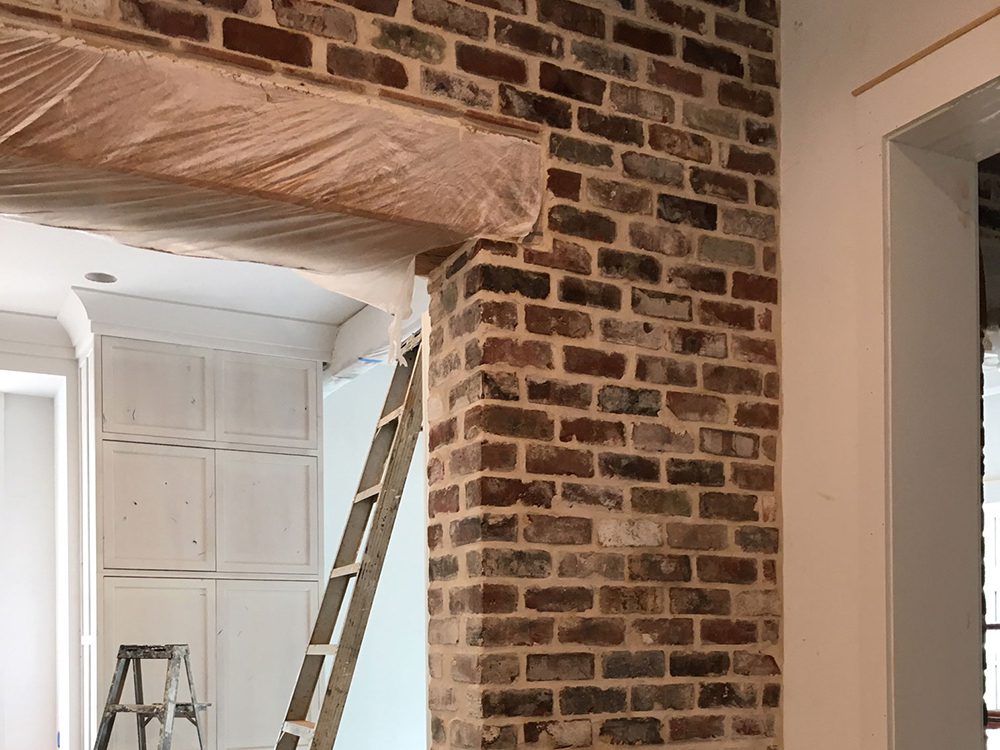
One of the most common repairs for historic homes is repointing mortar joints. This involves removing the deteriorated mortar and replacing it with new mortar that matches the original in color, texture and strength. The right type of mortar is essential to ensure that the brick walls remain flexible and capable of handling moisture movement without cracking or further damage.
4. Replacing Damaged Bricks
In cases where bricks are severely damaged or missing, it’s crucial to replace them with bricks that match the original structure. If reclaimed bricks are available, they are used to ensure a seamless repair. When new bricks are necessary, using techniques such as aging bricks or staining bricks could match the appearance of the original masonry.
5. Waterproofing Brick Surfaces
After brick repair and mortar repointing, applying a waterproof sealant is an important step in preventing future water damage. Waterproofing keeps moisture from seeping into the brick while allowing the wall to breathe. This helps protect the integrity of both the brick and mortar, ensuring your historic home remains safe from the elements for years to come.
6. Structural Reinforcement for Historic Brick Walls
For homes with significant damage, structural reinforcement may be necessary. This can include the installation of steel supports or lintels to strengthen the wall and redistribute weight. Ensuring your home’s structural stability is crucial in the brick repair process, especially in older buildings where the walls may have settled or weakened over time.
Why Choose Professional Brick Restoration in New Orleans?
Restoring and repairing brick in a historic home requires expertise in both historic masonry and modern repair techniques. Here’s why working with professionals is key:
Specialized Knowledge: Historic homes often have unique brickwork, which requires a deep understanding of older construction techniques and materials.
Quality Materials: Using the right materials for brick repair ensures that your restoration is both authentic and durable.
Long-Term Protection: Proper restoration prevents further damage and extends the lifespan of your historic brick walls.
Professional services for historic brick restoration & repair not only enhances the visual appeal of your home but also safeguards its structural integrity. It’s an investment in your property’s value and a step toward preserving New Orleans’ rich architectural heritage.