Bring Back the Brick’s True Color
A cloudy film of grout haze can make even the nicest brick wall look flat and tired. The good news is you can clear it safely without scratching the surface or pulling pigment from the face of the brick. Here’s a gentle, practical plan that works for everything from a faint film to stubborn, crusty residue.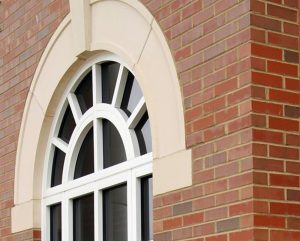
Start with the mildest approach. For a light haze, buff the bricks with a dry cheesecloth. The loose weave gathers the powdery film without abrading the surface. Work in small sections under good lighting, using slow circular motions. Refold or swap cloths frequently so you are lifting haze rather than smearing it, and use only light pressure—especially on textured faces where color is thinner on the high points.
If the haze lingers on sturdy clay or red brick, step up to a simple vinegar rinse. Mix white vinegar with warm water at a ratio of one to four, mist a small area, let it sit for about five minutes, then scrub gently with a soft nylon brush. Rinse immediately with clean water and towel dry to prevent mineral spots. Do not try this on sealed brick or any natural stone, and never let the solution sit past a few minutes.
Sensitive bricks often respond better to a non-acid route. A baking soda paste—three parts baking soda to one part water—lifts residue without etching. Spread a thin layer, wait roughly ten minutes, then scrub in circles with a nylon brush and rinse with warm water. Don’t allow the paste to dry hard on the surface; wipe and dry as you go for the cleanest finish.
When elbow grease is not quite enough, a dedicated grout-haze remover can save the day. Choose a product labeled safe for brick; for indoor work or delicate faces, reach for a non-acid formula. Most concentrates need dilution, a short dwell time, and light scrubbing before a thorough rinse. Wear gloves and eye protection and ventilate well.
For thick, cement-like residue that has cured in place, a mortar dissolver is often the most efficient tool. These gels and liquids soften hardened fines without chewing up the brick. Apply to a test spot first, allow the product’s recommended dwell time—usually ten to twenty minutes—then lift softened buildup with a plastic scraper and rinse clean. Avoid hot surfaces and direct sun so the chemistry has time to work.
No matter which method you use, the right brush matters. A soft nylon brush provides enough bite to free haze without scarring the face. Keep your motion light and circular, work from the top down, and wipe away loosened residue between passes. Skip stiff bristles and never use metal—both can scratch color and compromise any sealer.
A final word on stone. If your “brick” is actually a natural stone such as limestone, marble, or travertine, keep acids away. Vinegar, citrus, and hydrochloric formulations can etch and permanently dull the surface. Stick to pH-neutral stone cleaners or plain warm water, and when in doubt, call a stone-care professional.
The bottom line is simple. Identify the material, begin with the gentlest tactic, and progress only as needed. Cheesecloth buffing handles the faint film, vinegar cuts haze on robust clay faces, baking soda protects sensitive surfaces, and specialty removers tackle the rest. With a careful touch and the right sequence, your wall’s natural color and texture return—crisp, clear, and unmistakably brick.